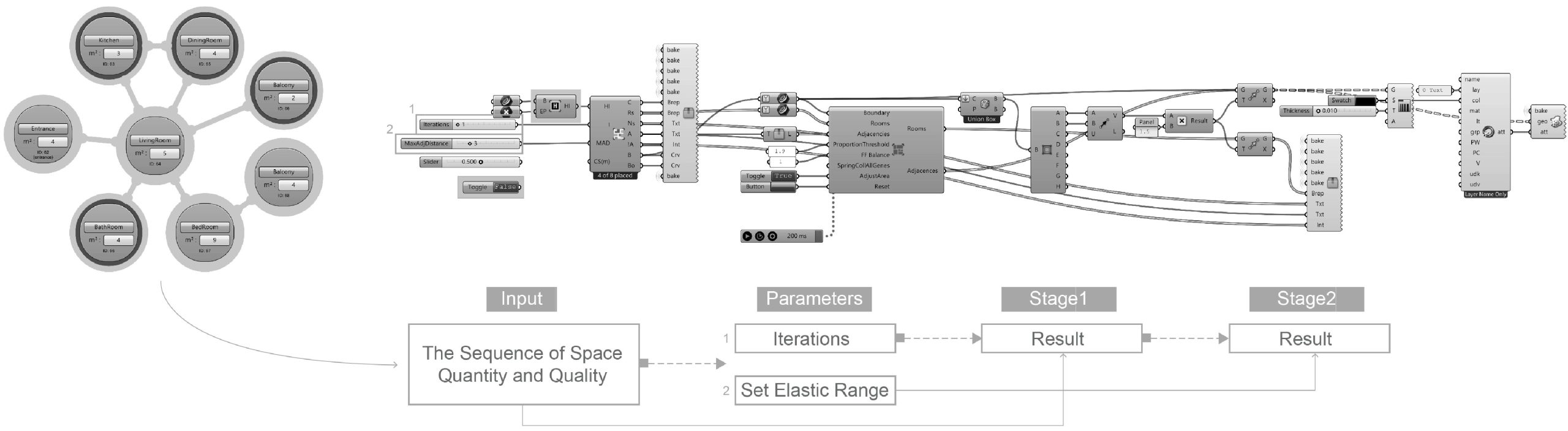
Social Housing Layout Generating & Environment Optimization
Computation Methodology as Design Process (🎖️CYCU Architecture Design Award for the excellent performance of professional study)
Thesis Project
Year: 2023 (Year 5)
Type: Individual Work
Location: Taoyuan, Taiwan
Instructor: Chen Hung-Ming
What is the contemporary significance that social housing needs to address?
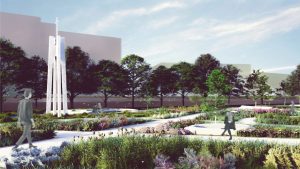
In the past, the goal of urban environments was to establish an oversized public life. However, the pandemic and technological advancements have reshaped our lifestyle patterns, resulting in a higher demand for resilient housing. Through advanced computational design, I meticulously assess, model, and refine the architectural layout and form. This method allows for a reexamination of ‘publicness,’ and a deep exploration of temporal and spatial interchanges. Furthermore, social housing can adeptly respond to societal dynamics and generating cascading urban benefits.
[Mapping & Historical Context of Public Housing in Taiwan]
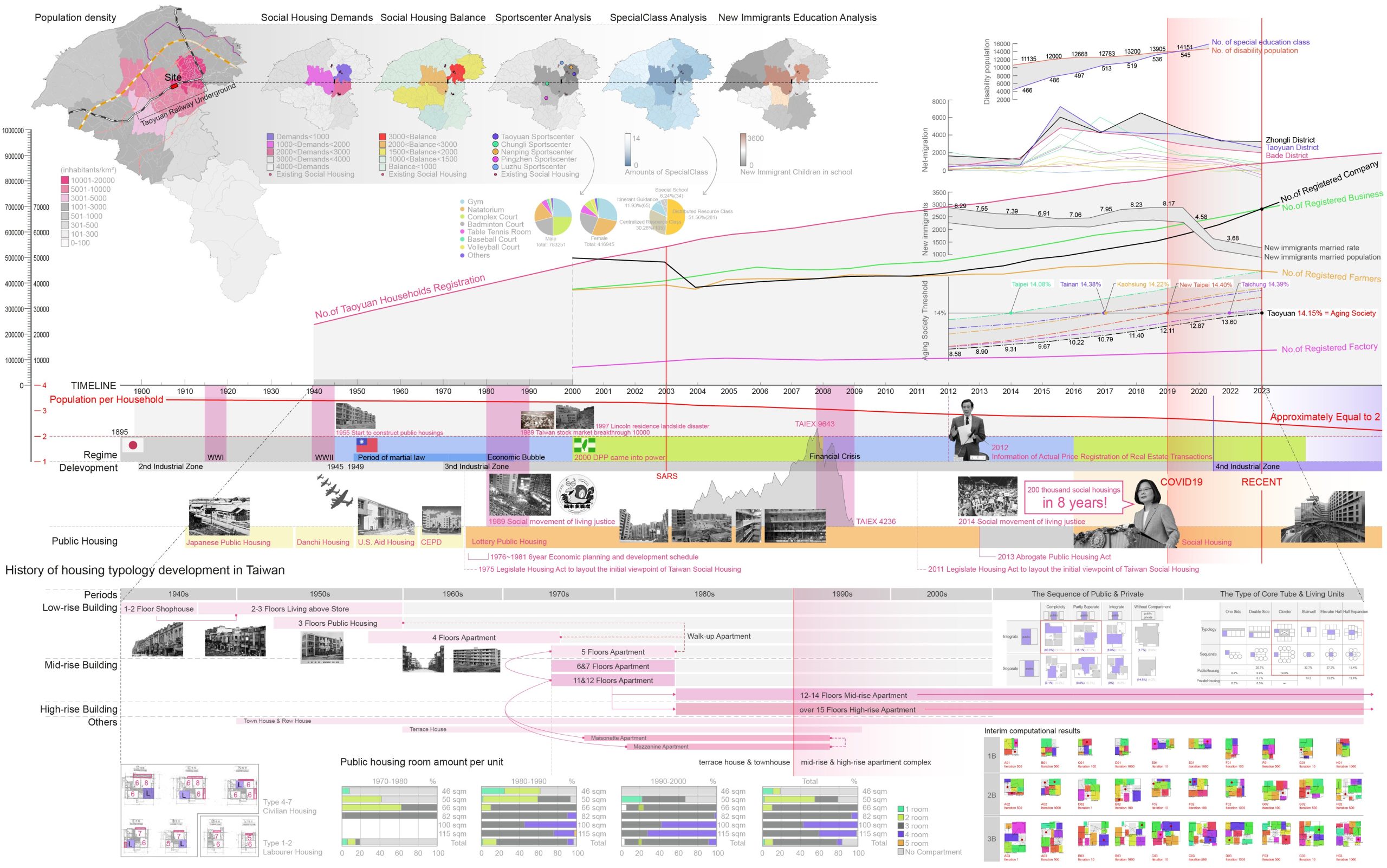
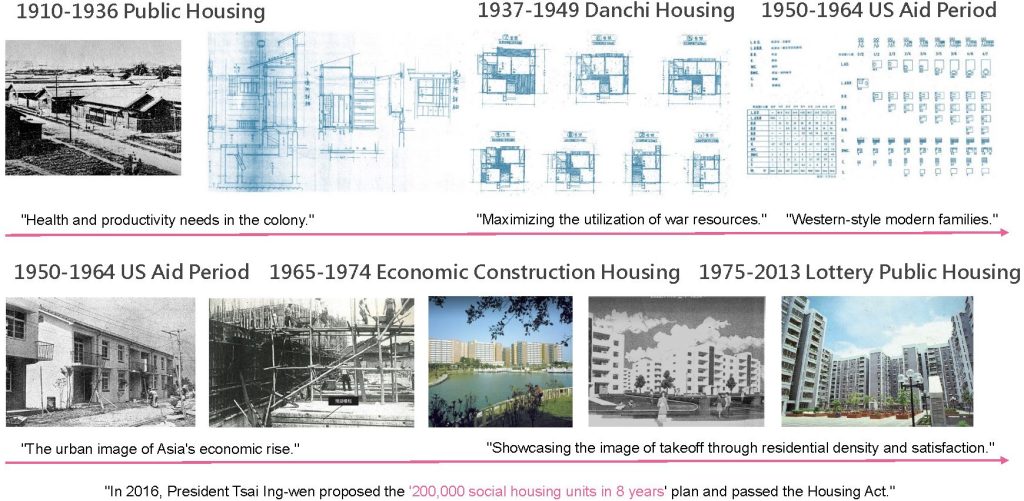
Residential patterns are inextricably linked to societal dynamics. It is imperative to examine the broader context, drawing insights from historical shifts, changes in political regimes, housing policies, social movements, and population demographics. “What factors have culminated in the present residential landscape of Taiwan?”
[Procedures for leasing social housing and demographic shifts]
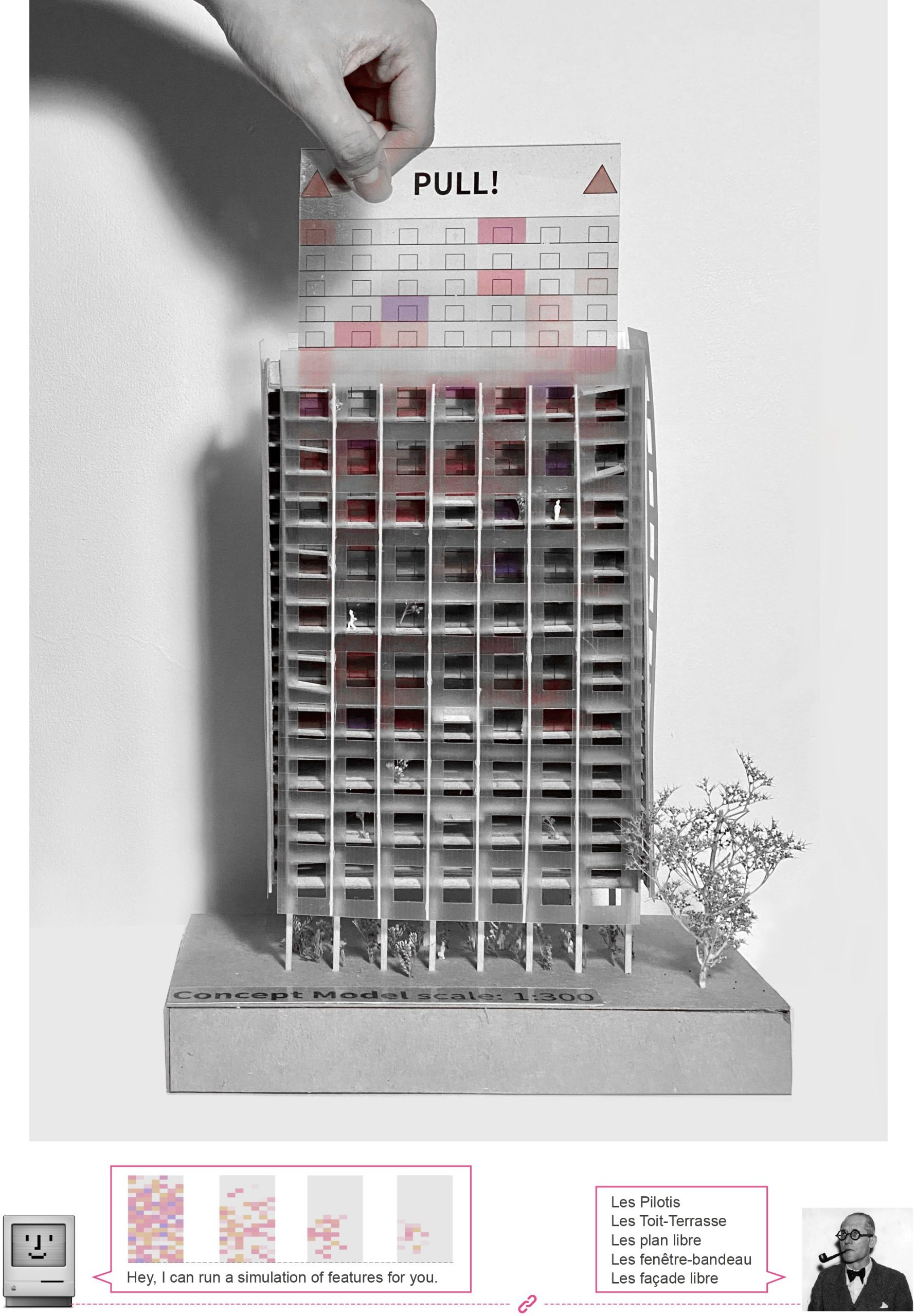
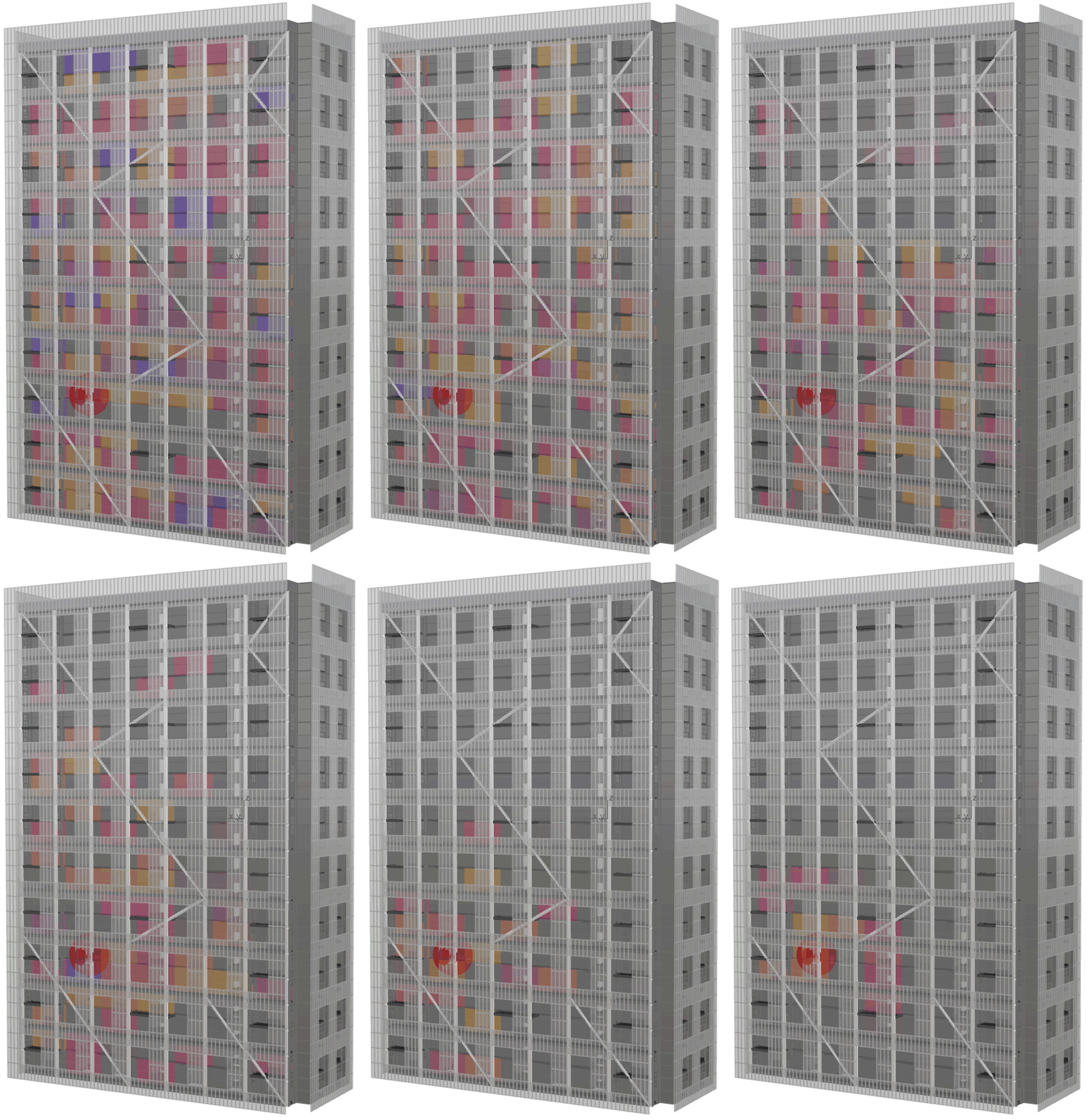
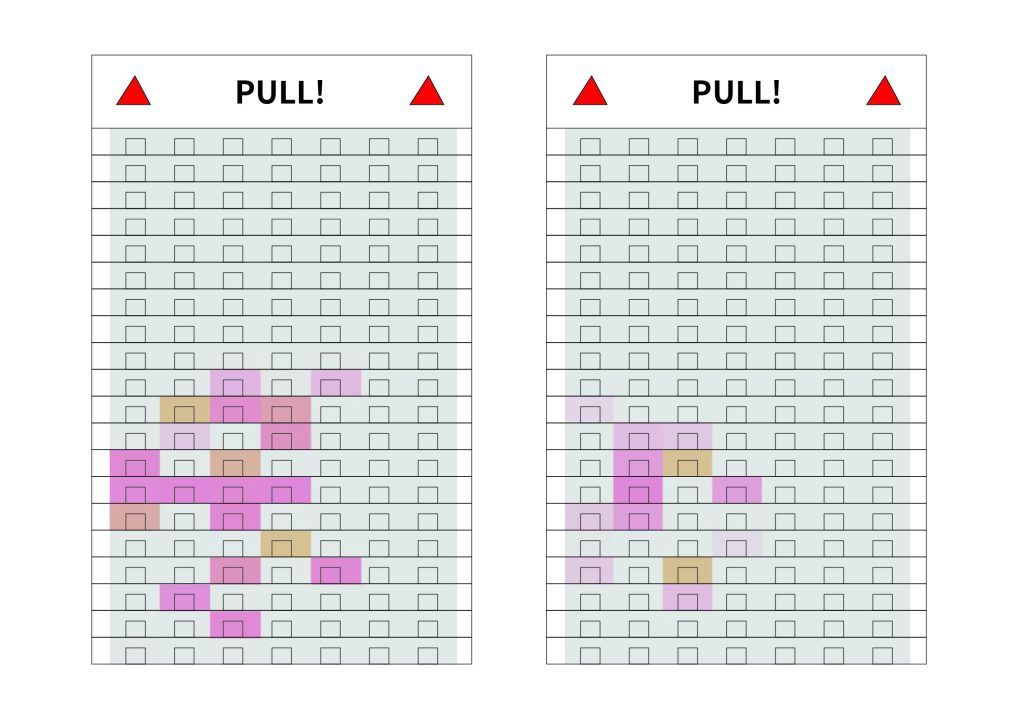
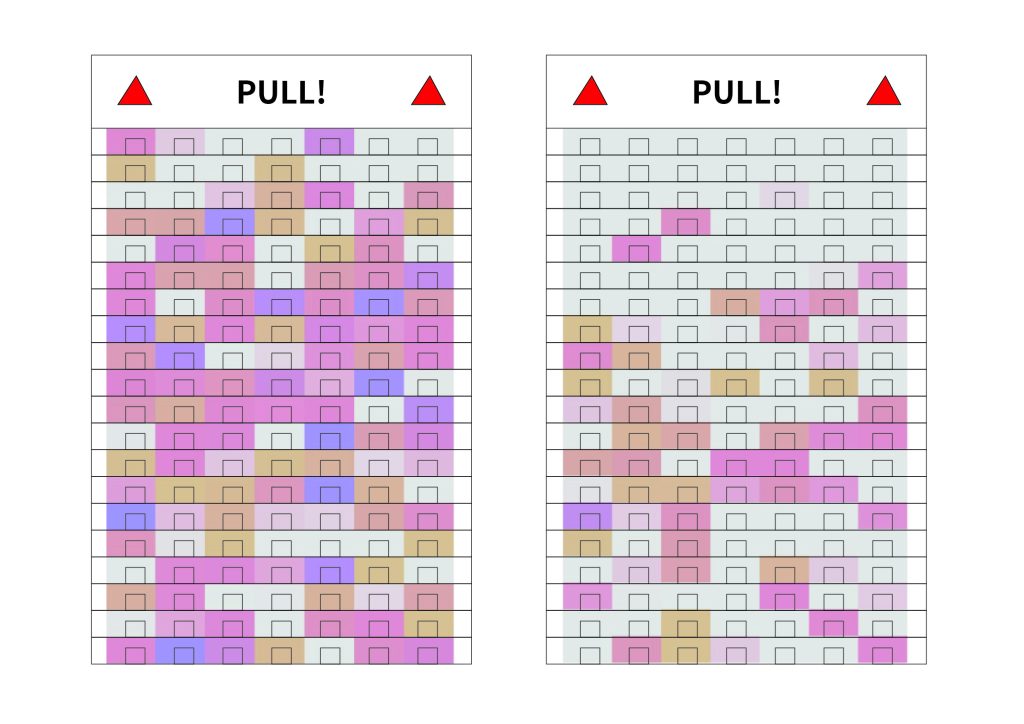
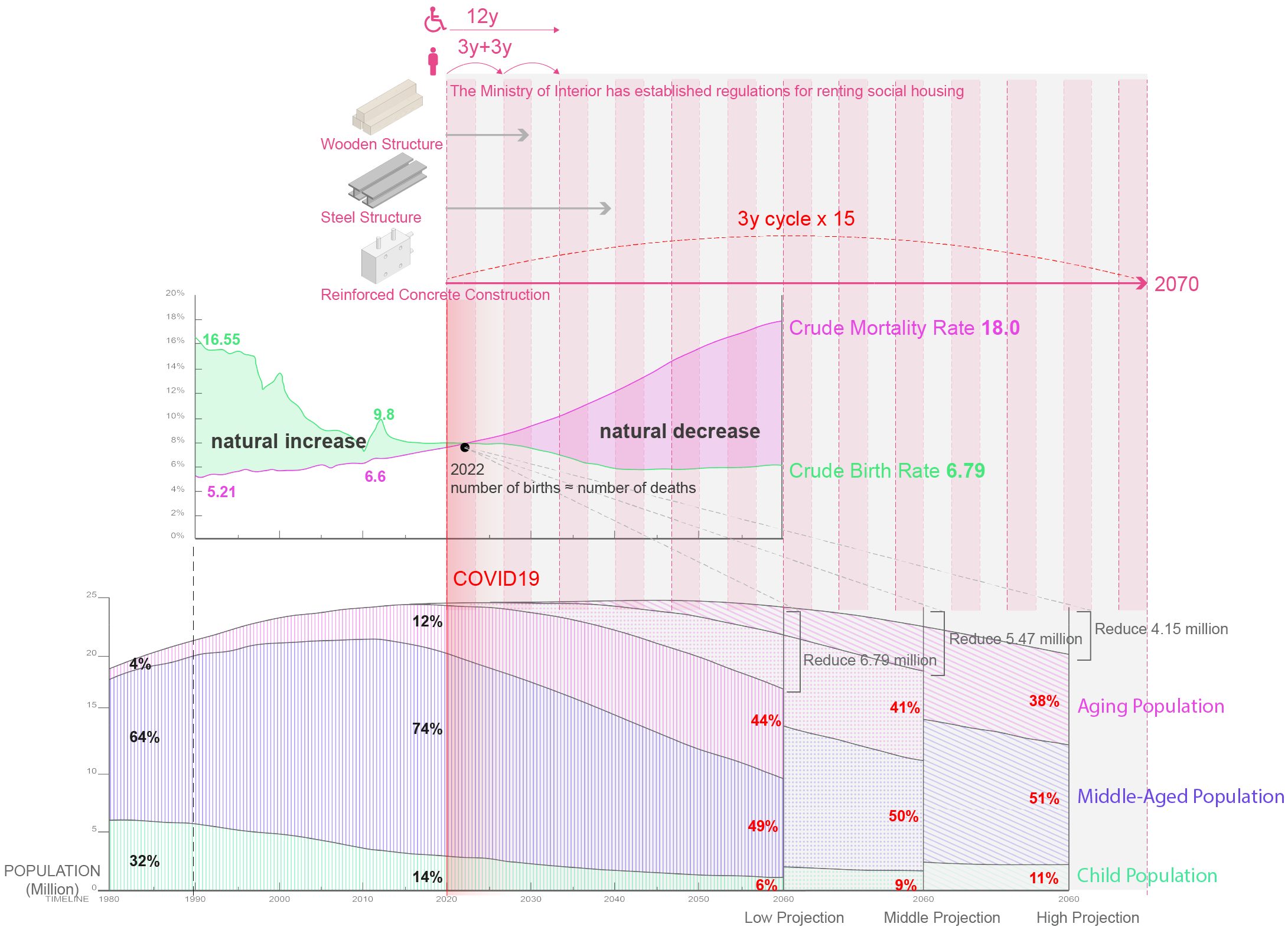
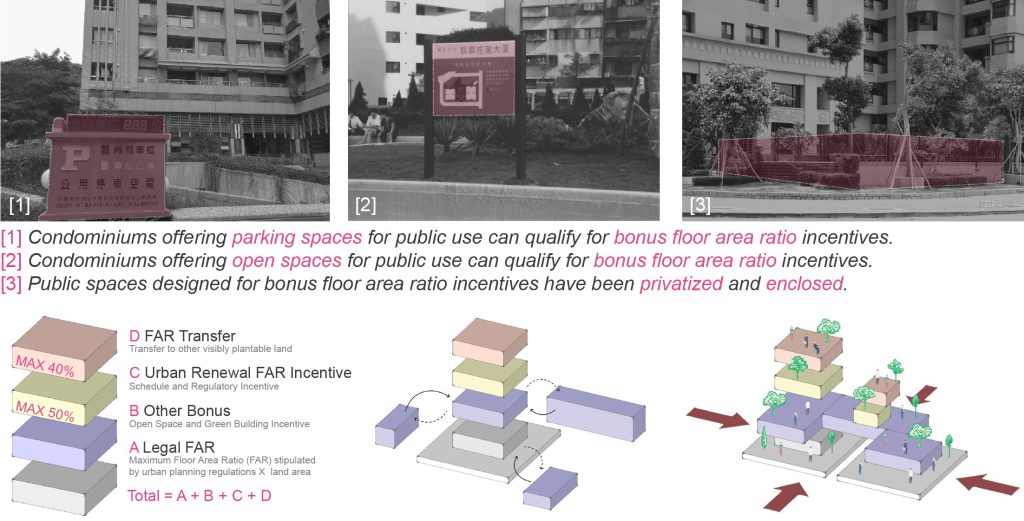
In Taiwan, social housing leases typically last three years with an option to extend once. The typical lifespan of a reinforced concrete structure is approximately 50 years. The majority of such structures remain unchanged from the day of their completion. Confronted with significant demographic challenges such as declining birthrates and an aging population, “How do we anticipate the direction of residential spaces 50 years hence, after fifteen three-year cycles, or the future trajectory of public spaces?”
[The Site]
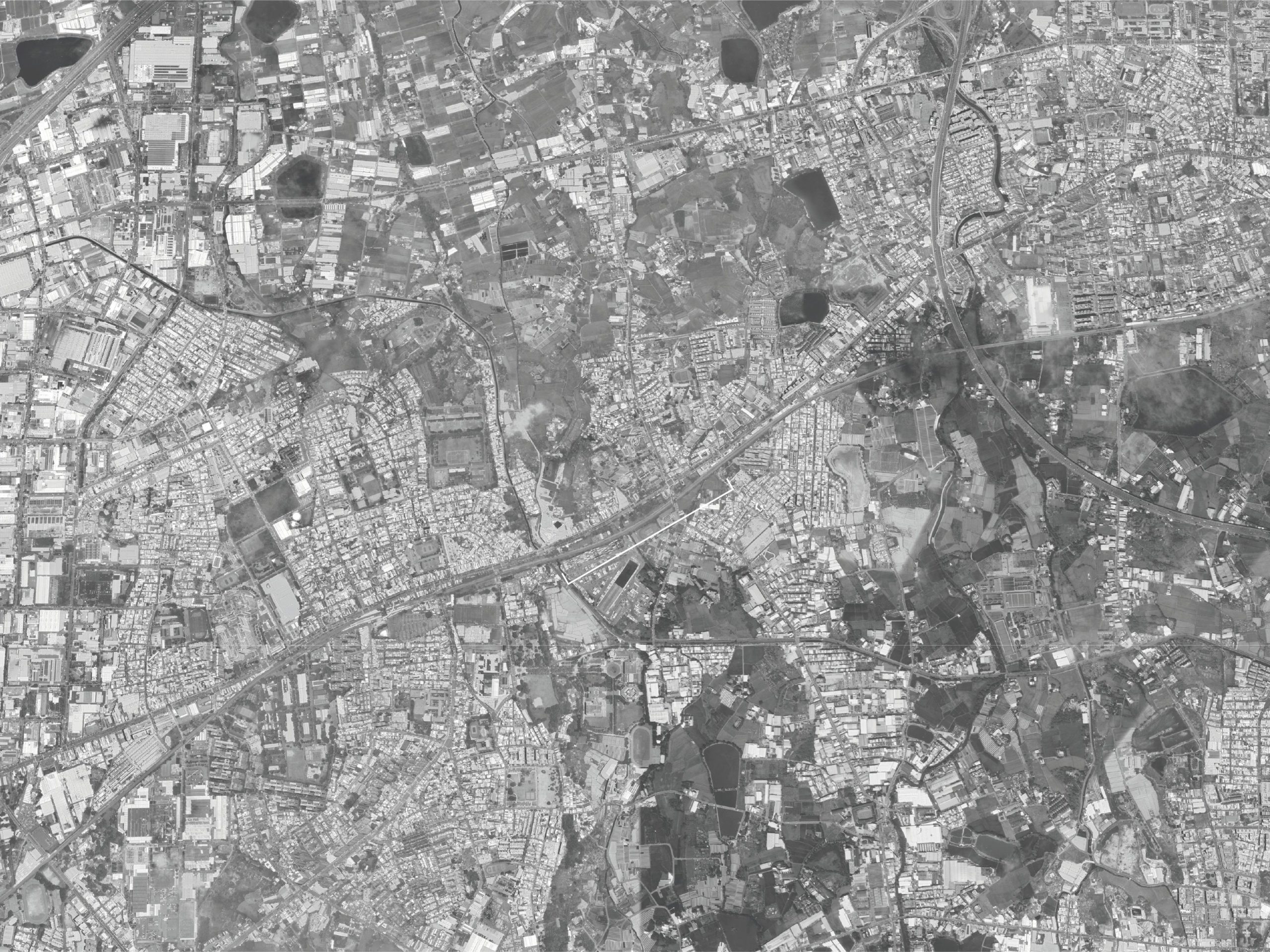
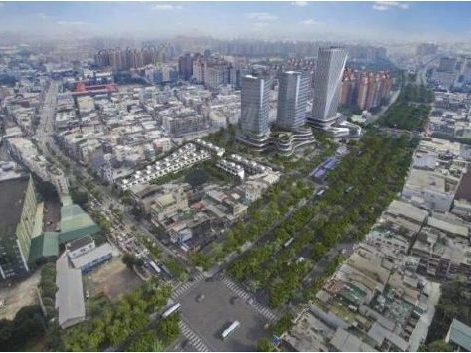
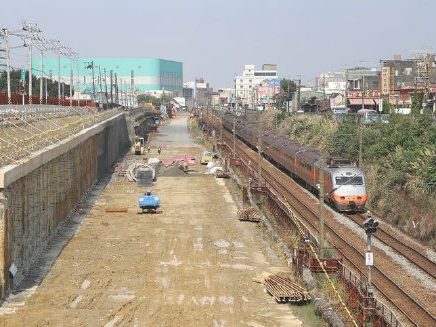
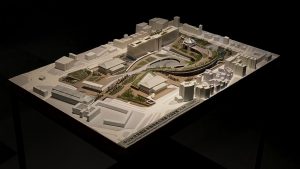
The Taoyuan Railway Underground Project in Taiwan, estimated at NT$104.8 billion (US$3.70 billion), aims to improve the transportation network in the rapidly developing Taoyuan metropolitan area. This project involves constructing a 3.734 km underground twin-bound railway track and a station at PingZhen to enhance mobility and reduce traffic congestion. It includes revamping existing stations at Taoyuan, Neili, and Jhungli and building five new stations at Fongming, Jhungli, Taoyuan General Hospital, Jhungyuan, and Pingjhen. The project focuses on improving the urban landscape and land utilization by dismantling 8 viaducts and 8 underpasses, eliminating 20 level crossings, and integrating various railway systems to form an efficient commuting backbone in Taipei City, New Taipei City, and Taoyuan City, facilitating a one-hour track life circle in the Green Transport Corridor.
[Layout Generating & Environment Optimization]
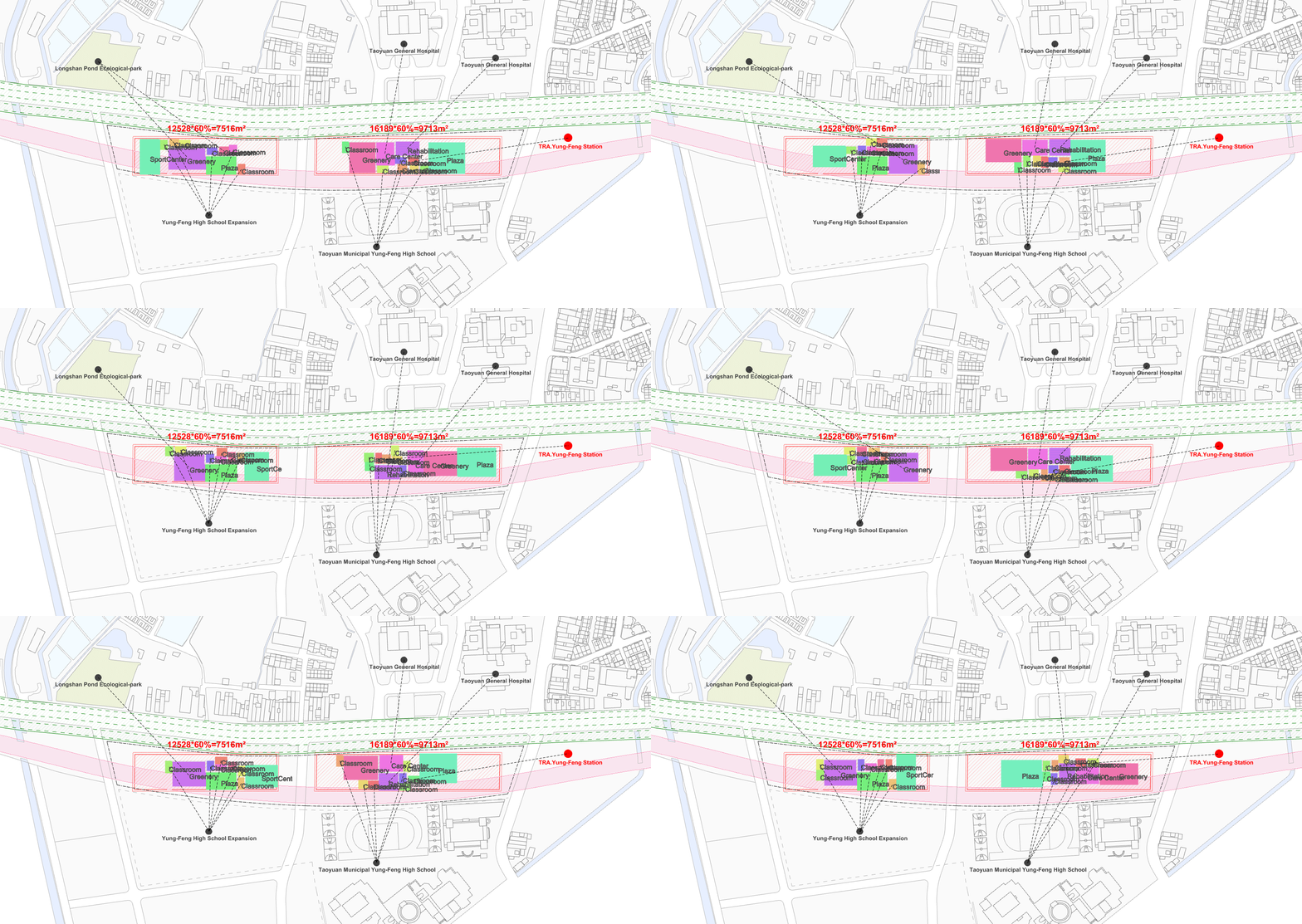
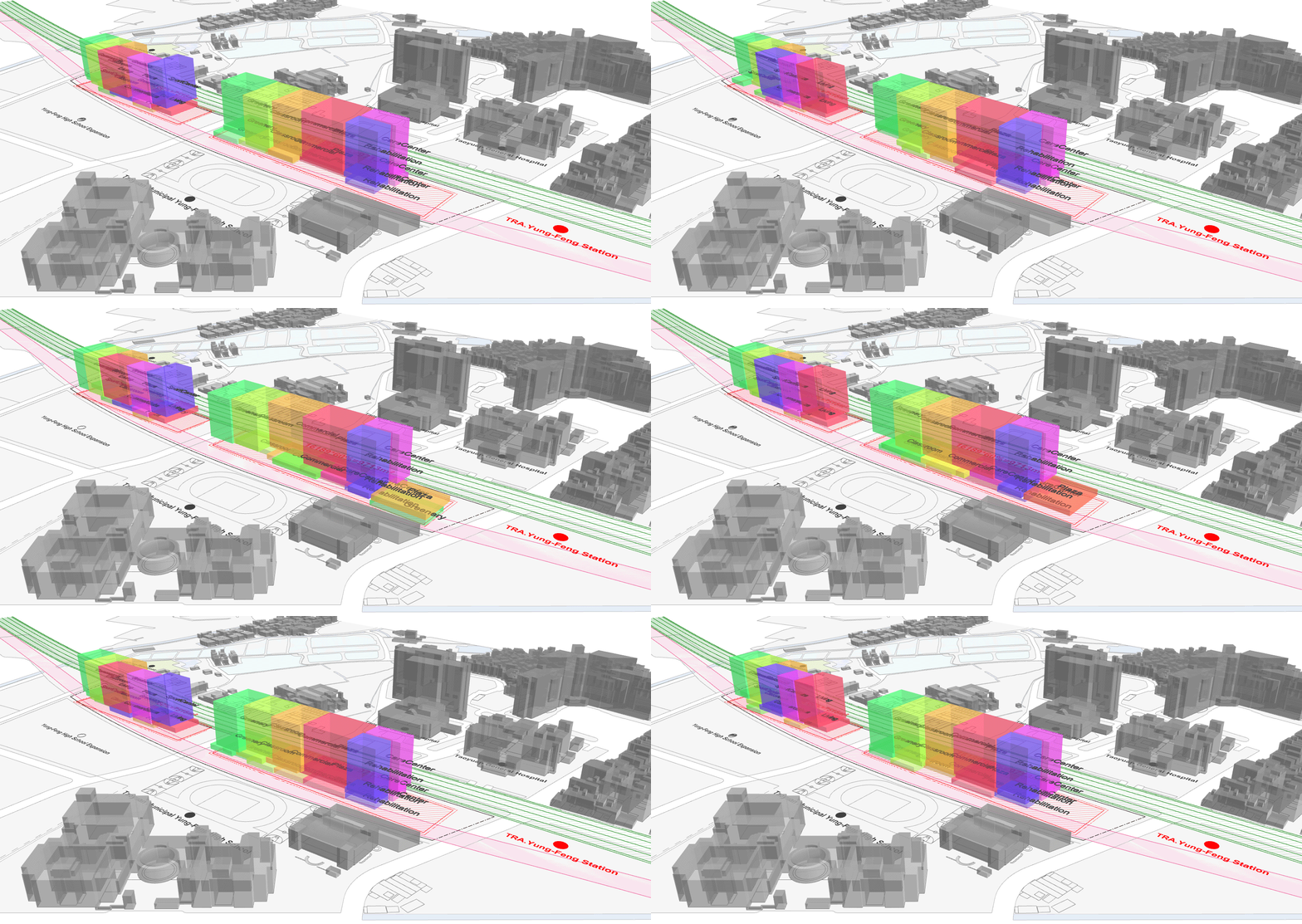
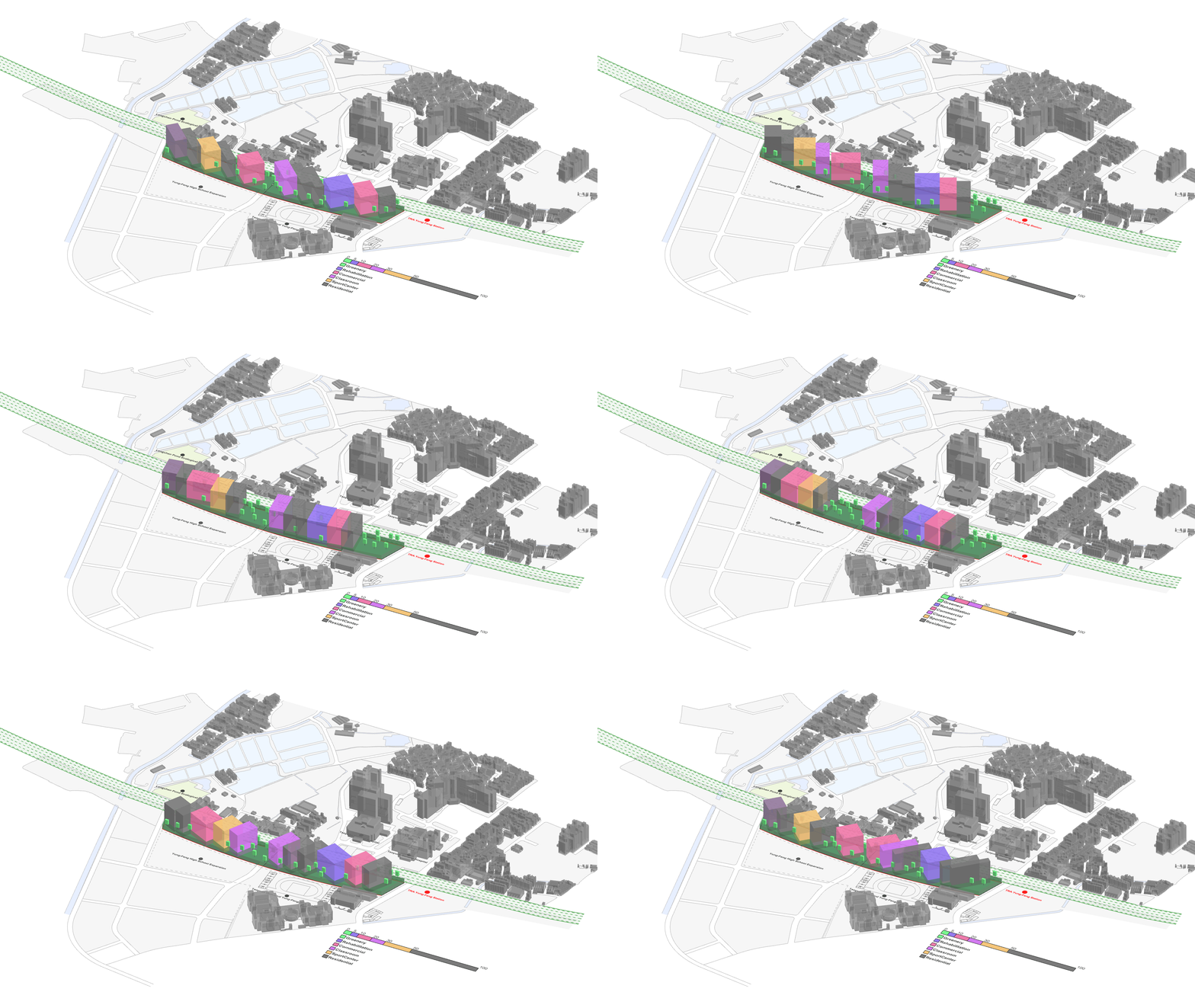
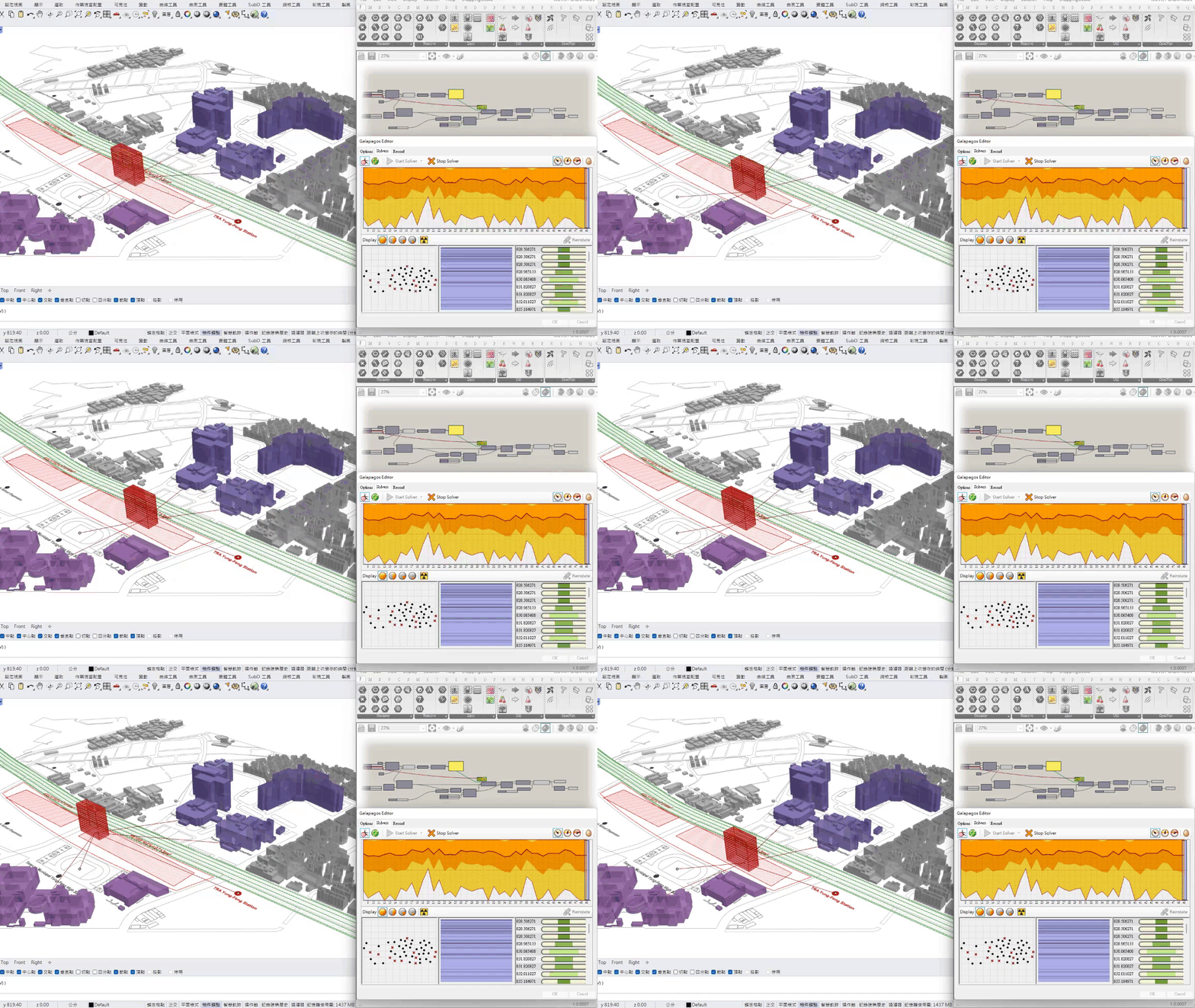
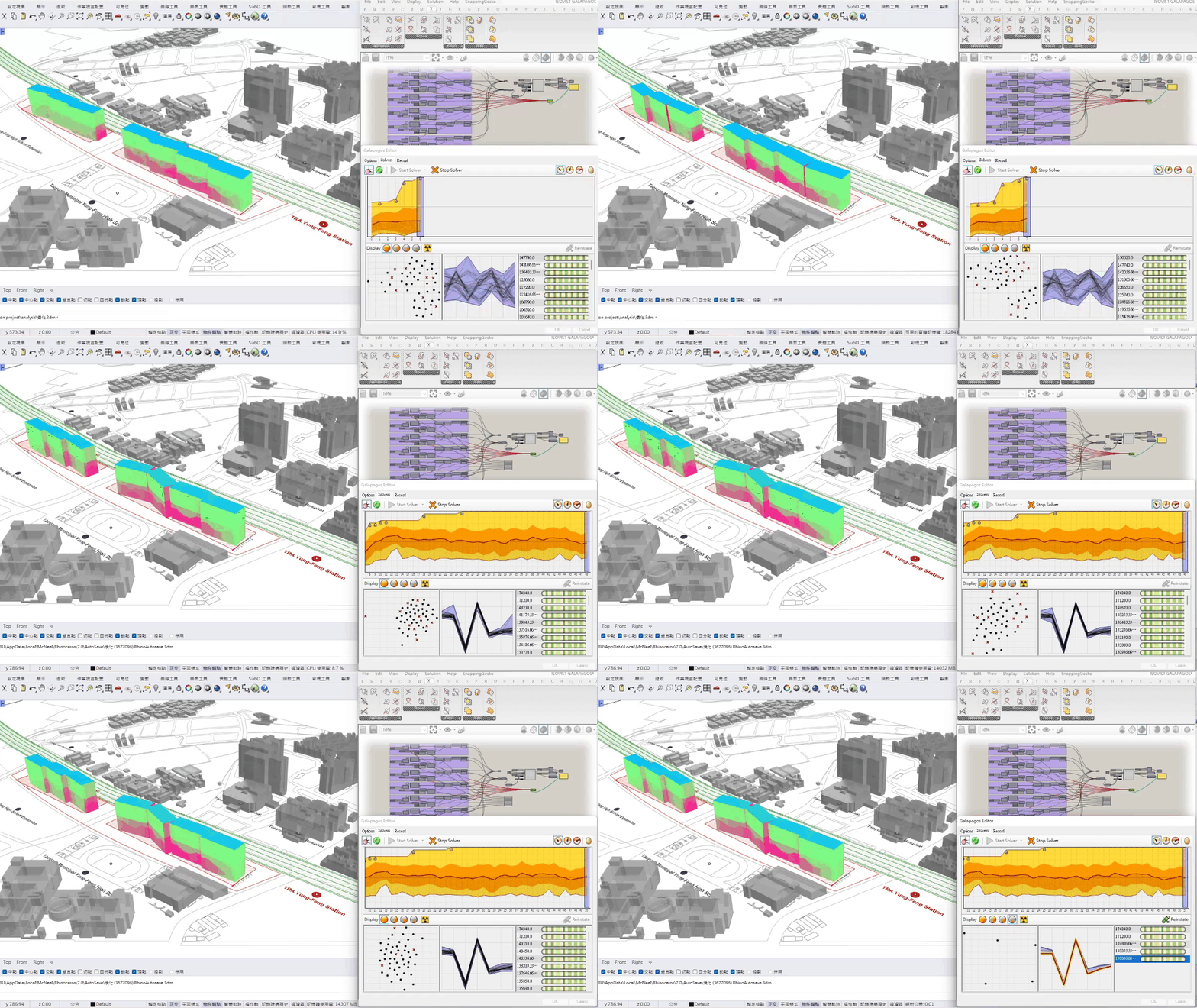
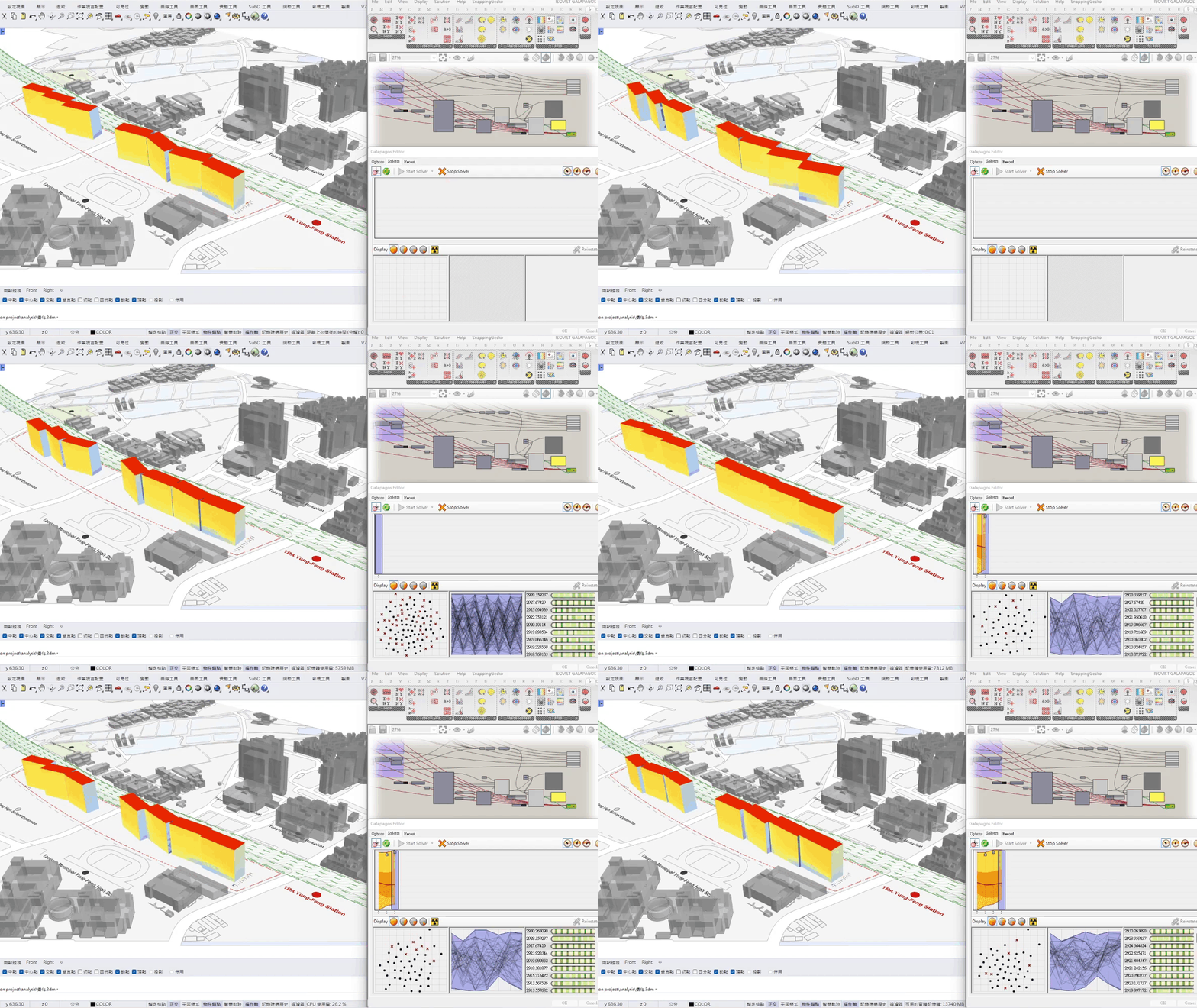
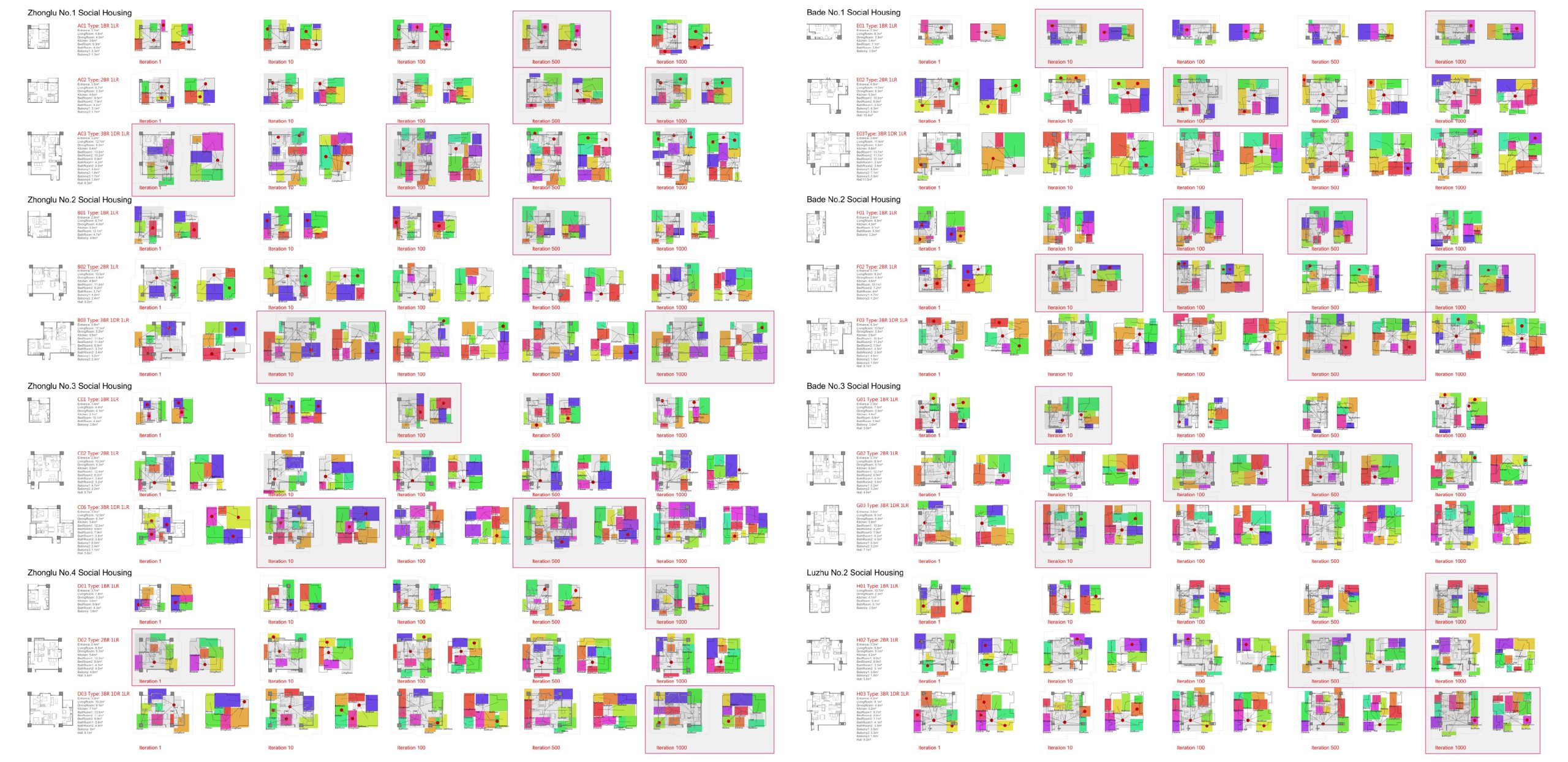
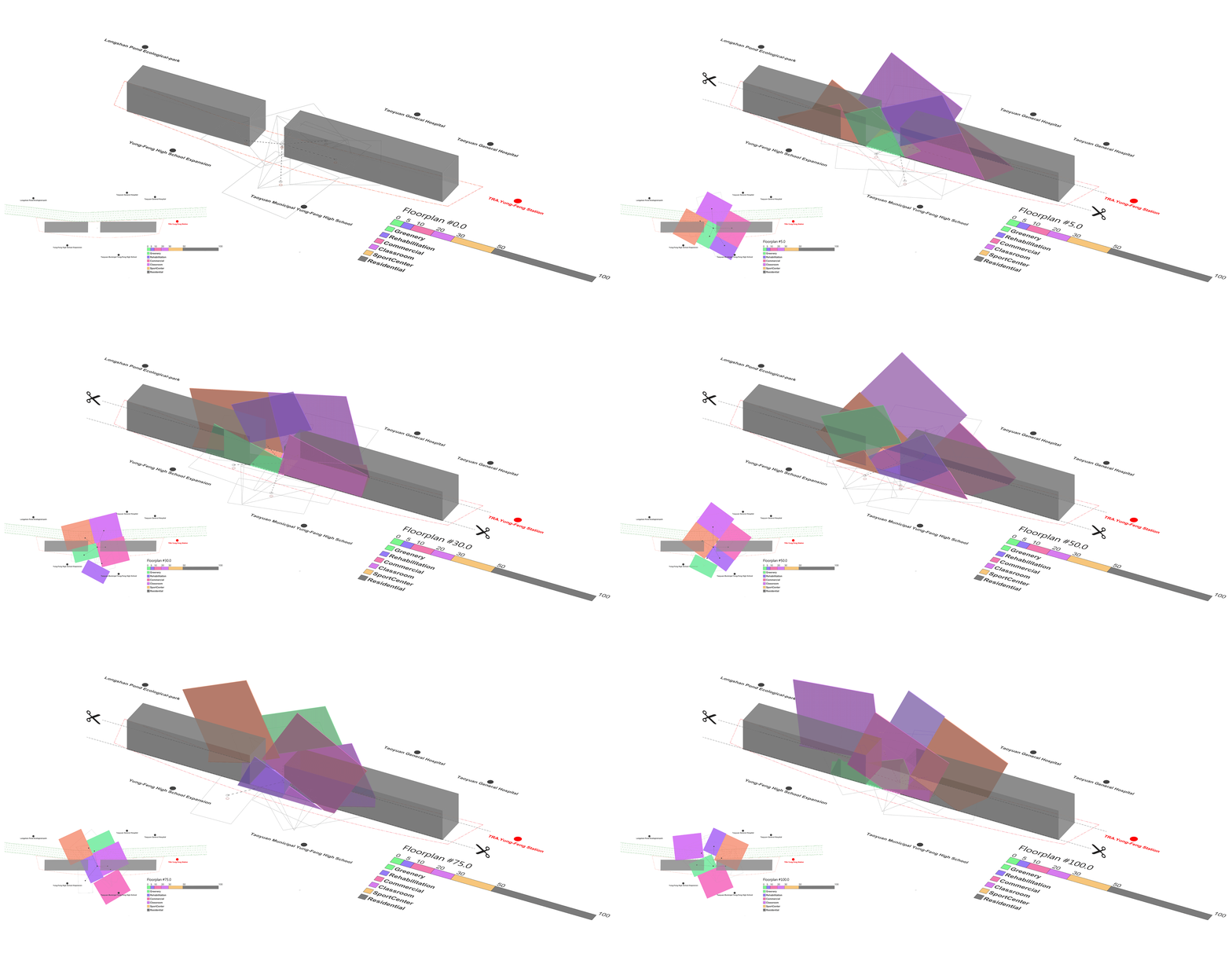
The configuration has begun to arrange through the program I set up. I am attempting to fragment space, and then trying to incorporate three-dimensional space into the calculation. Next, I focus on the optimization of public space location, field of view analysis, and volumetric daylighting, each through the Galapagos component in Grasshopper.
[Design Philosophy]
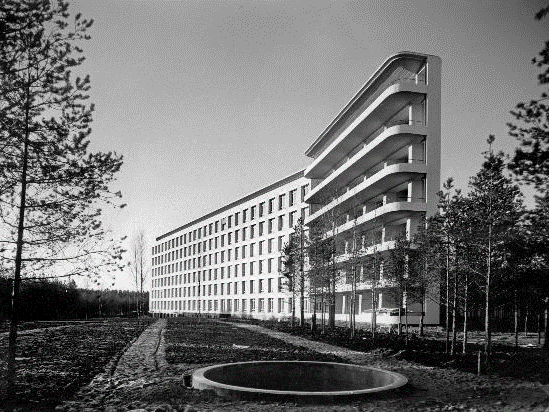
Alvar Aalto
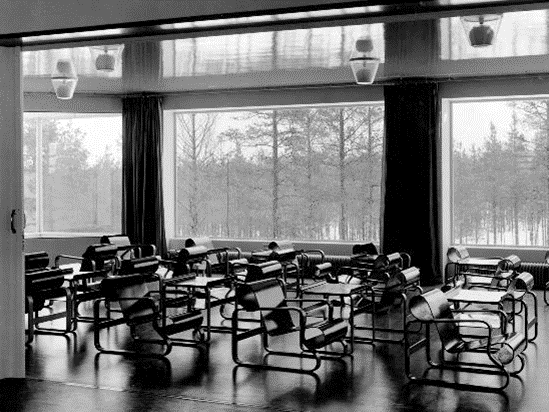
Alvar Aalto
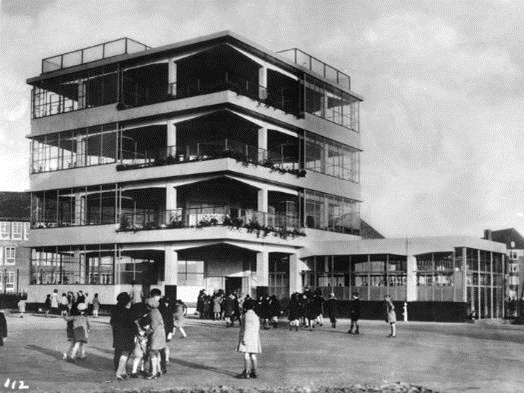
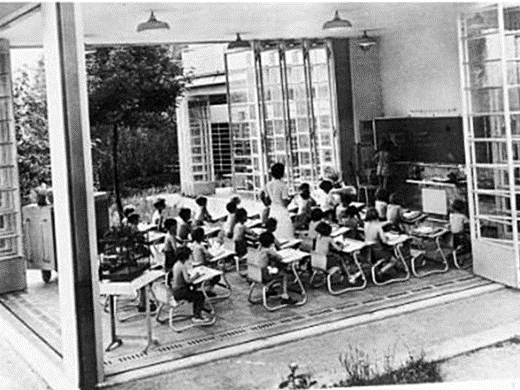
Johannes Duiker Bernard Bijvoet
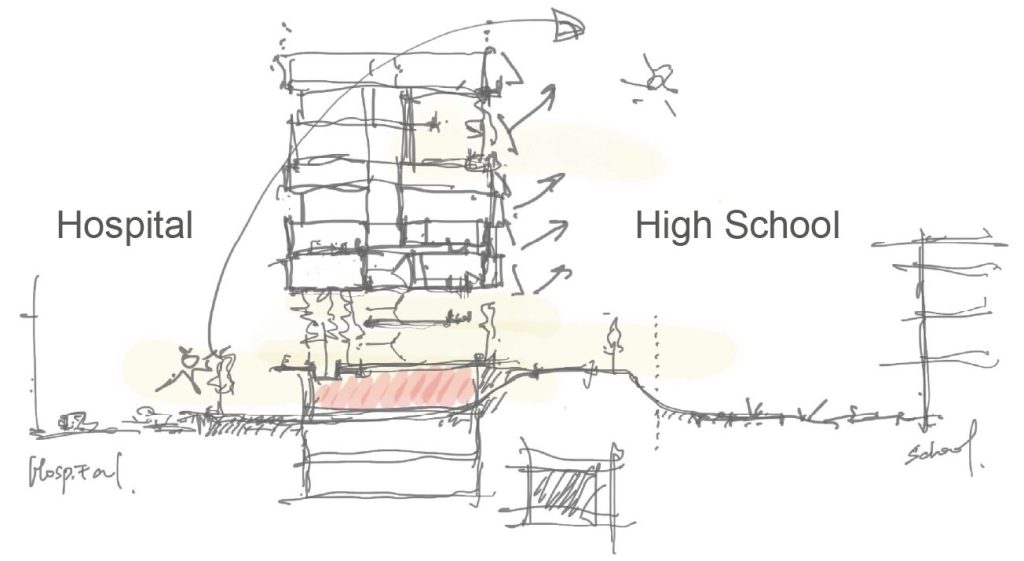
After conducting an in-depth study of the Paimio Sanatorium and the Open-air School, an idea was born: A social housing project that sits between a hospital and a school. Or, we can start to imagine a blend of nursing homes and sky classrooms. These public spaces will be used to ensure a commitment to the housing rights of the disadvantaged, while also freeing up the entire neighborhood. I have begun to outline this vision in the cross-sections.
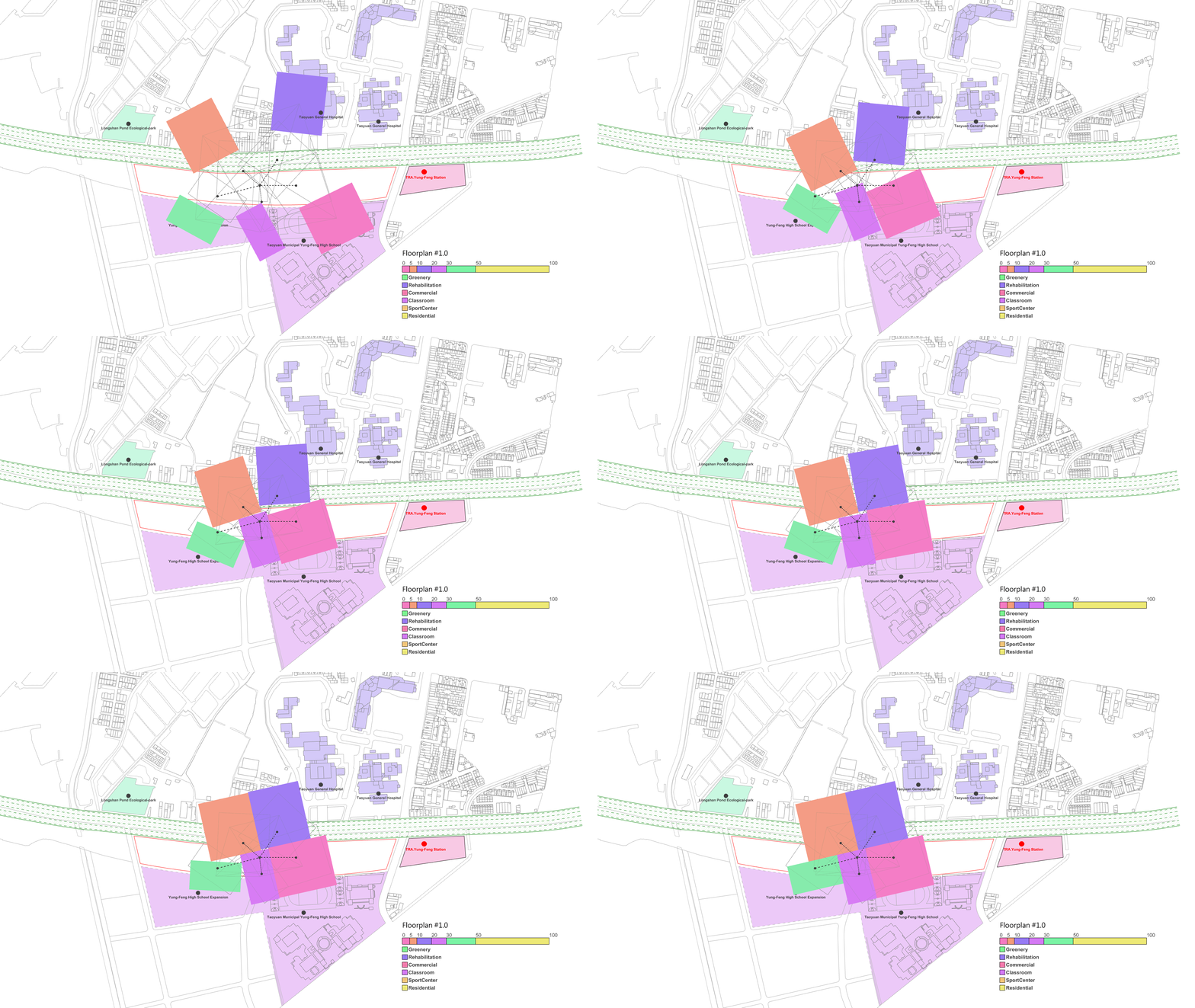
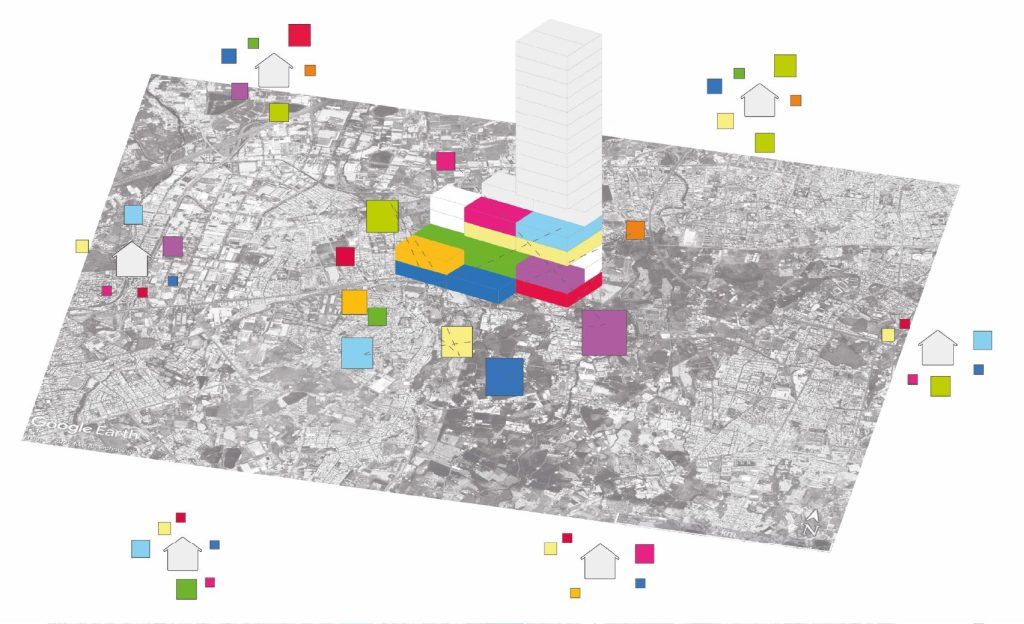
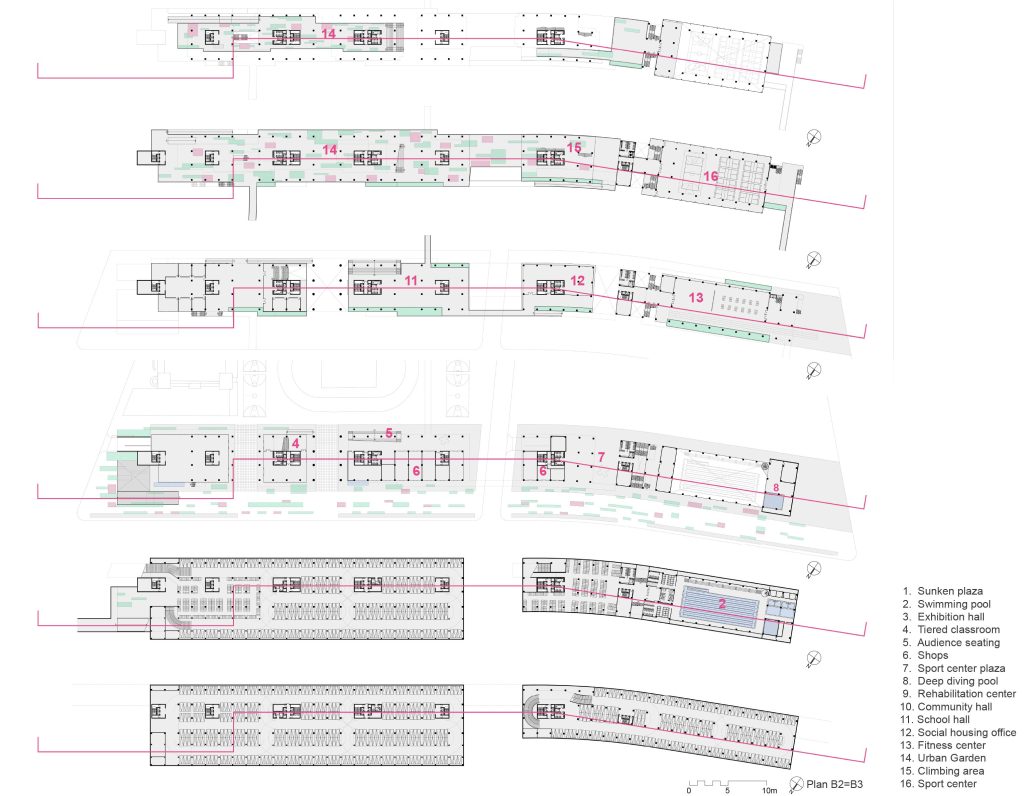
I commenced my design on a site located between a hospital and a school. In this post-pandemic era, my intent is to delve into the interrelationships between education, sports, and therapeutic residences. In Aalto’s Paimio Sanatorium, the architecture itself serves as an integral part of the healing process. Open-air school assisted physically frail children in recuperating with the aid of sunlight and fresh air. In my design, social housing proactively offers a plethora of public amenities, focusing on education, rehabilitation, and sports.
[Urban Public Space Planning]



[Typical Floor Space Planning]
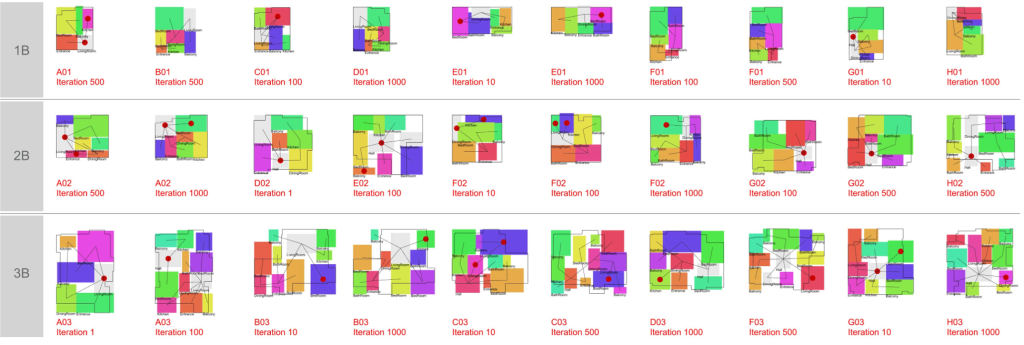
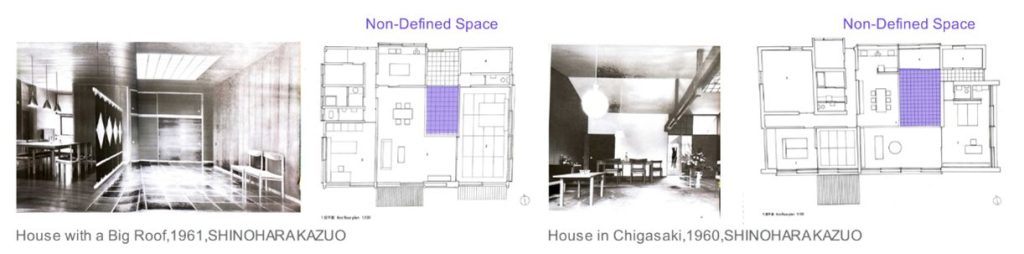
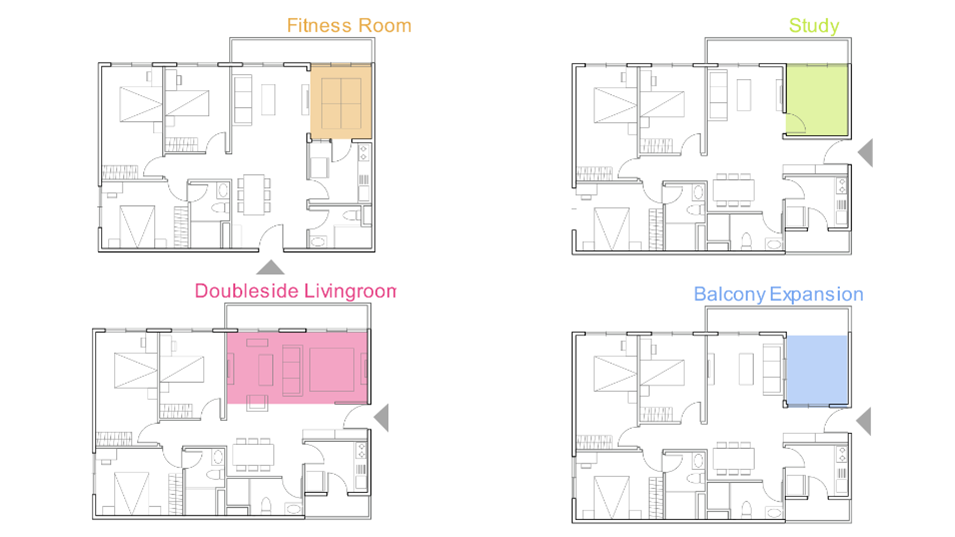
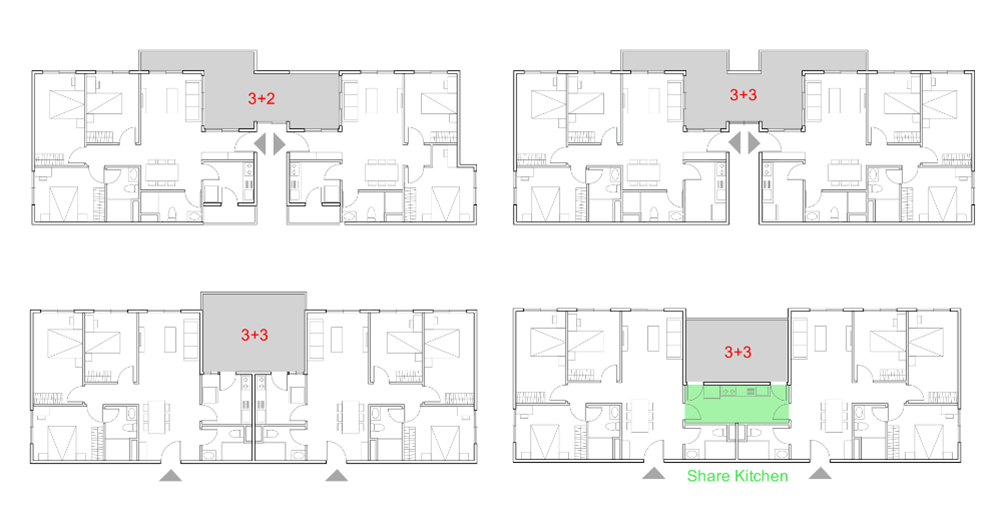
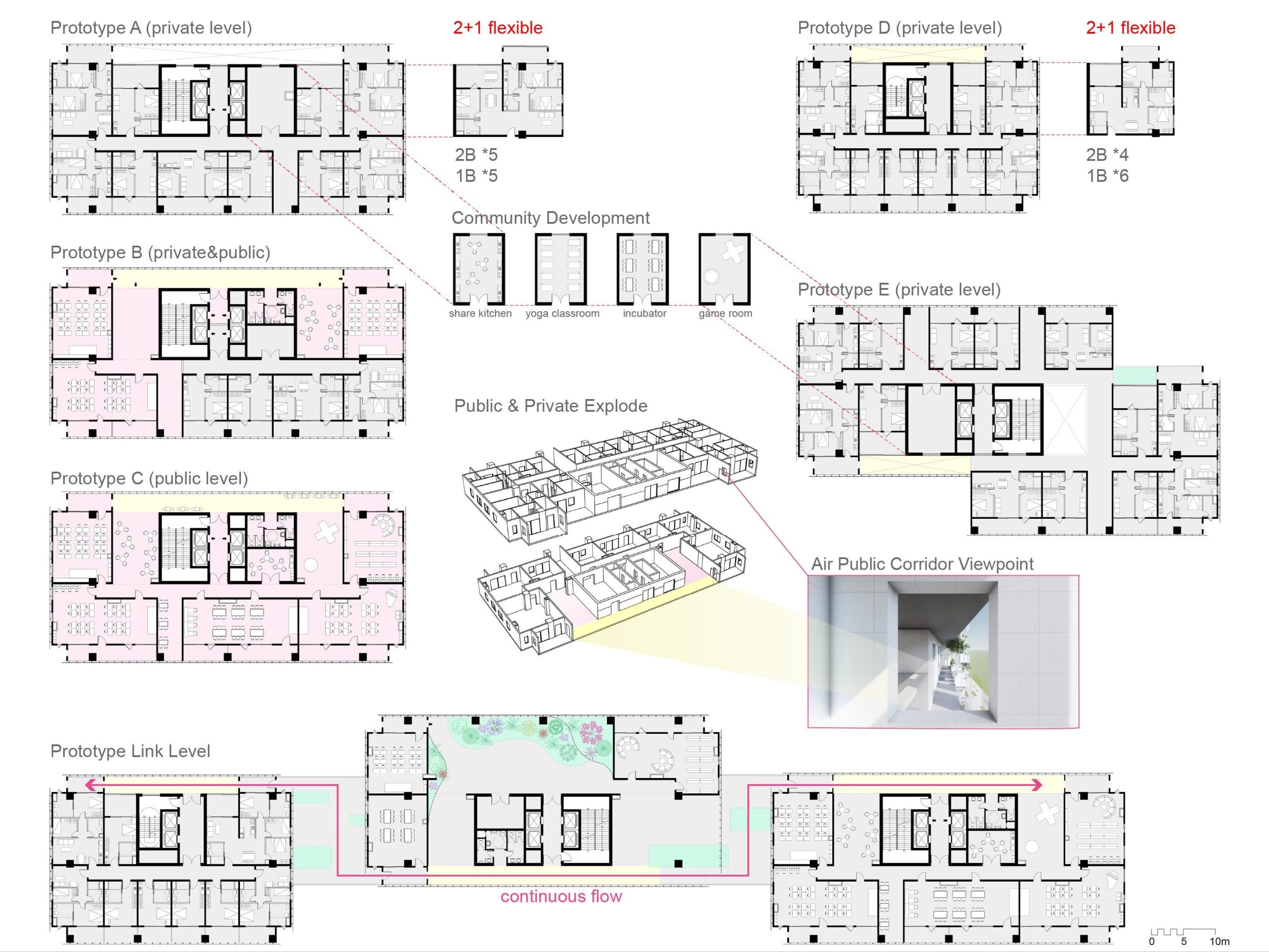


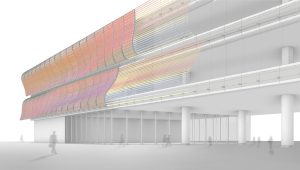
Over time, as the population ages, the social housing will gradually be occupied by the elderly. The design has been adapted with flexibility to accommodate various degrees of societal change. The layout is divided into public and private floors, achieving both plan and façade liberty, with the capability to adjust according to function. I have also incorporated multiple sky corridors to ensure optimal lighting and ventilation. Whether for general housing or assisted living, the design ensures sustainability and promotes health.