V-Topia Architecture at Zero
Research Project
Year: 2022 (Year 4)
Team: Hsieh Mung-Ju, Song Pei-Ling, Andy Chao,Yu He, Yves Chen, Chang Chia-Hsin
Location: VISALIA, CA
Instructor: Yu Chin Chen
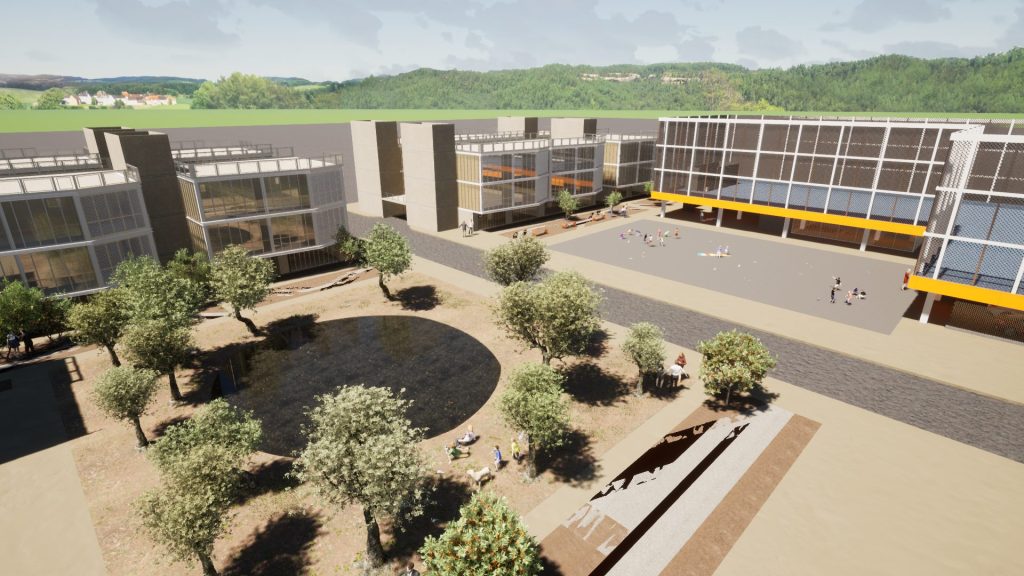
Facing the issue about low-carbon congregate housing. On the premise of ensuring a certain quality of housing, we hold fast to the spirit of humanitarianism to maximize the benefits of public space and the overall environment of the community. The most important thing is all about the energy saving of the base and sustainable way for the thinking. To discuss how to put in place the contemporary low-carbon economic housing. We take the 6 standard of LEED indicators as the basic goal of this design.
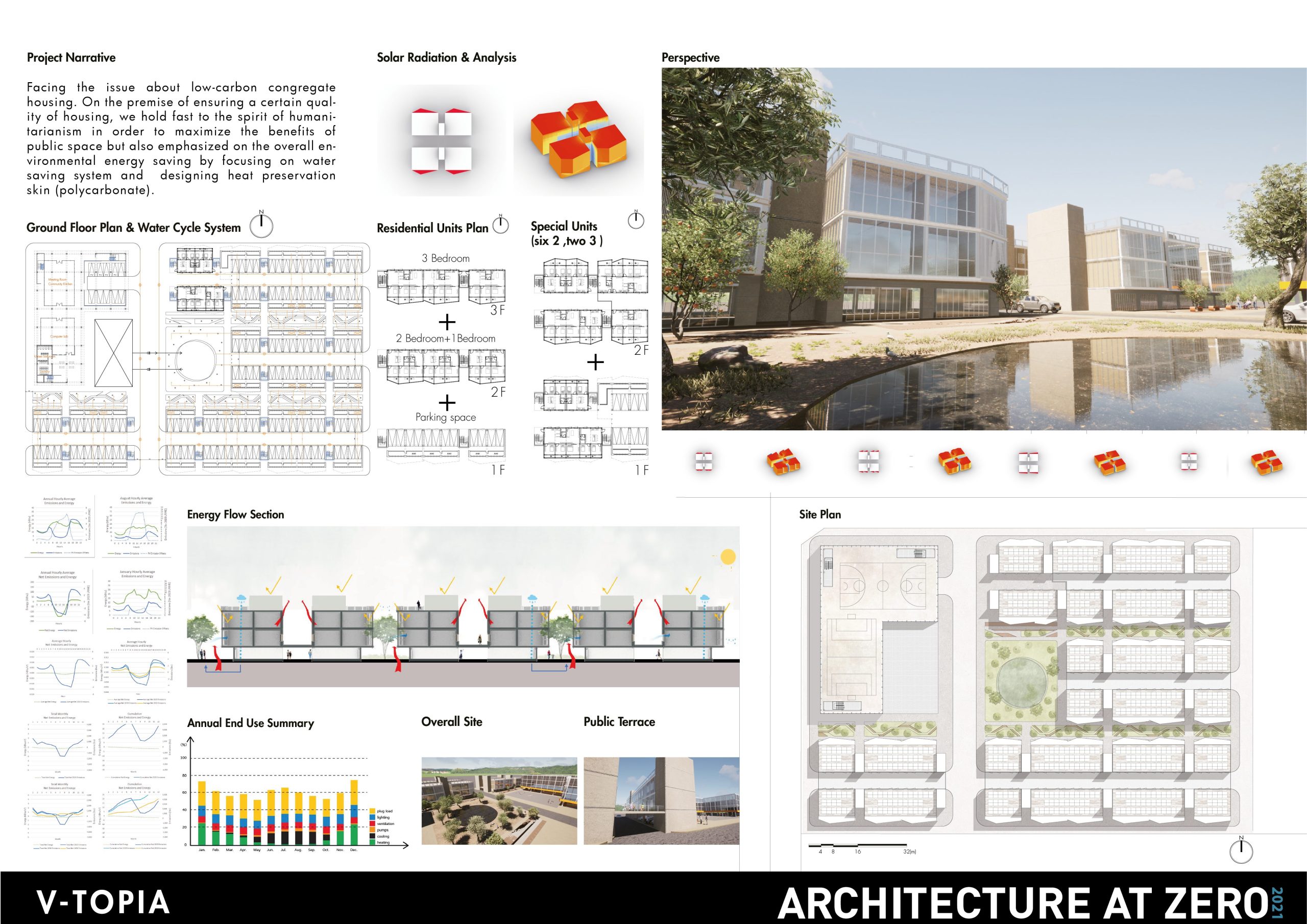
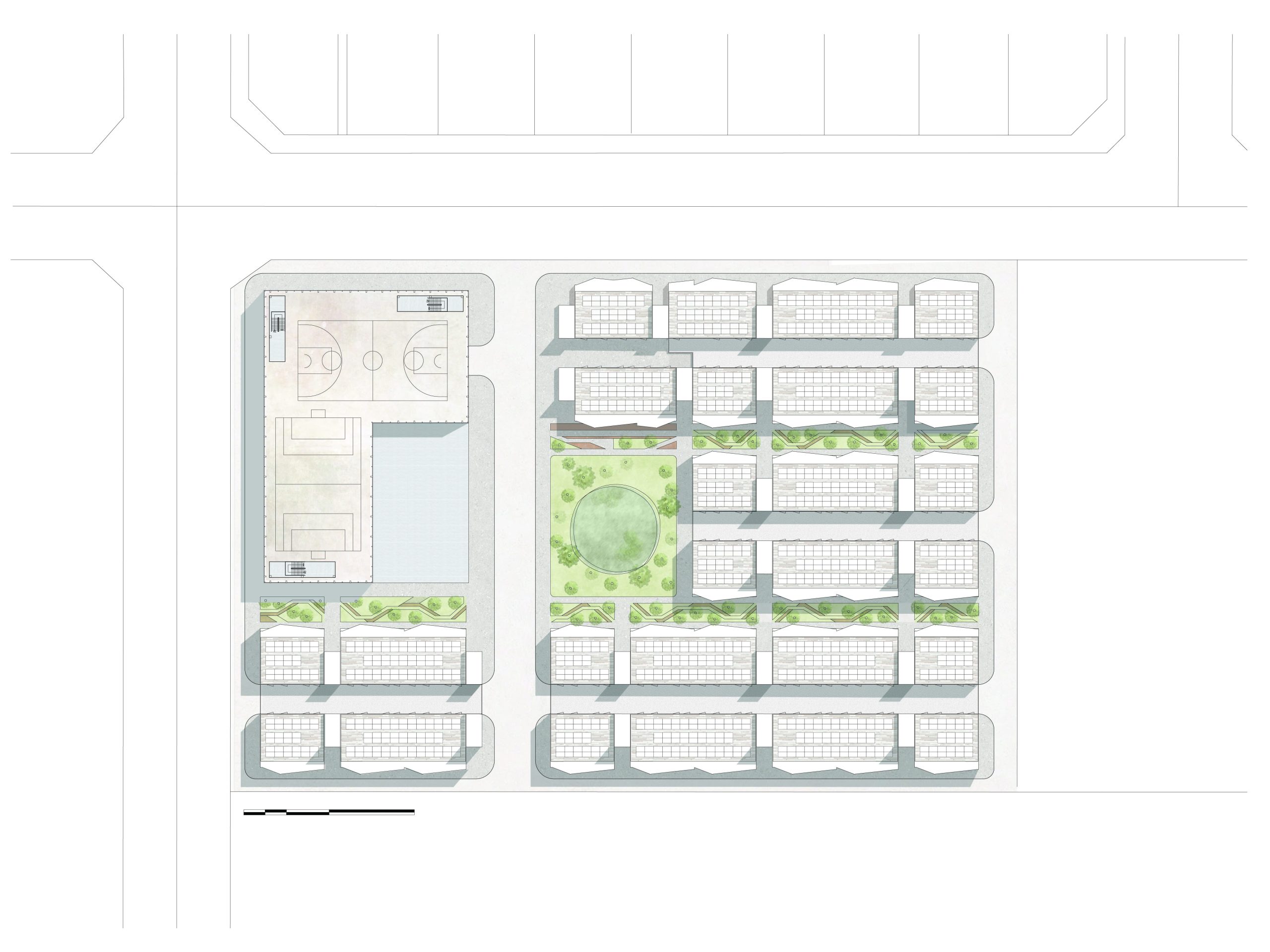
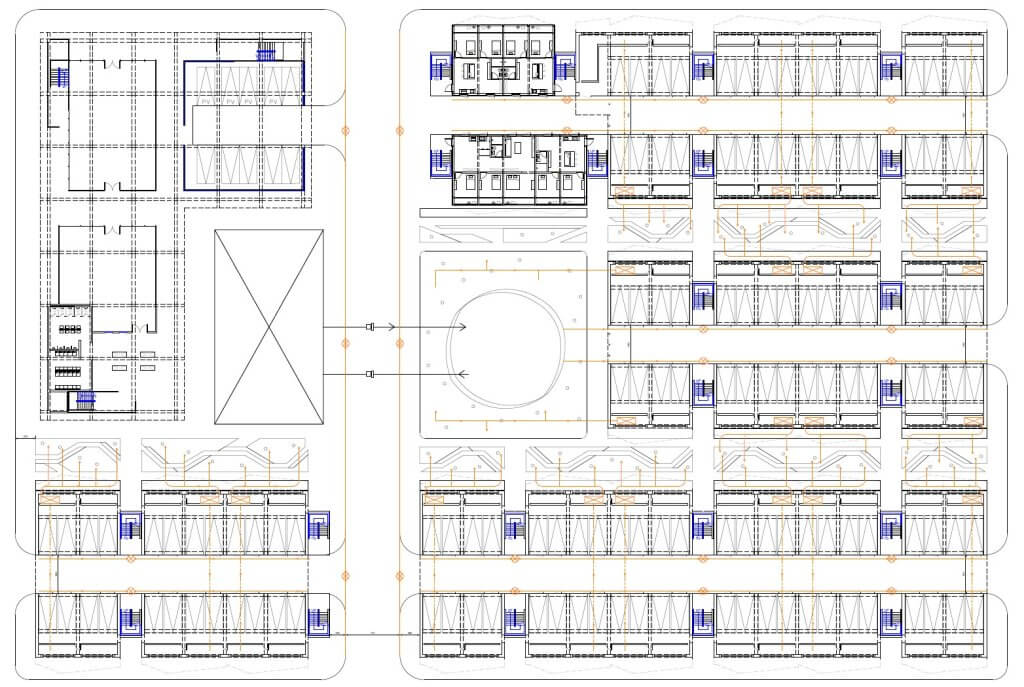
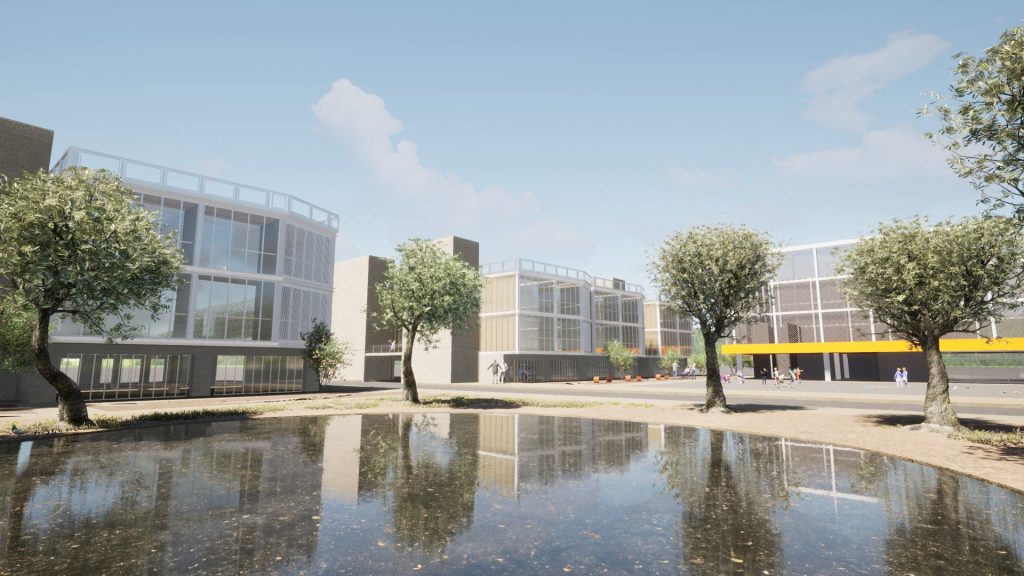
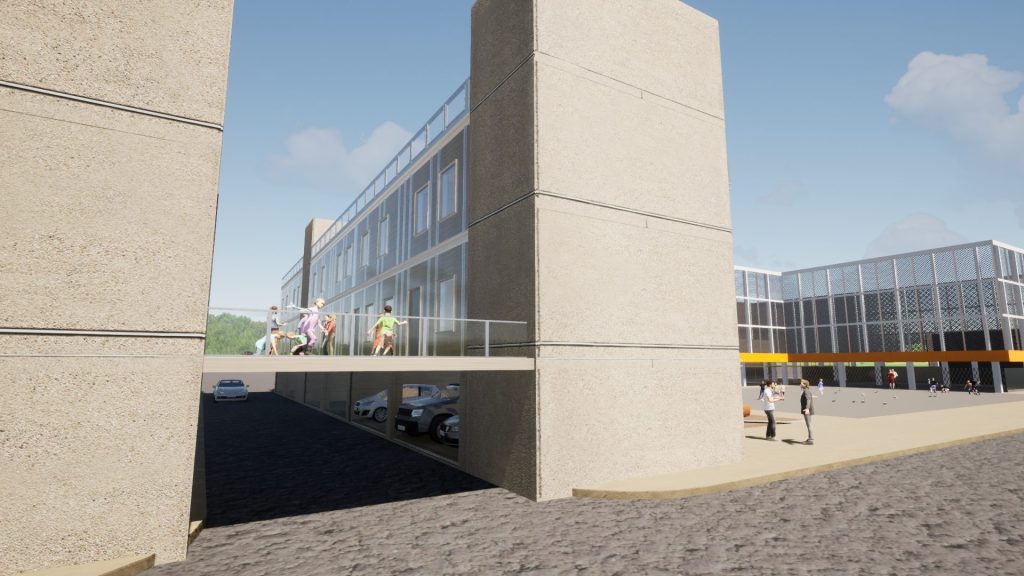
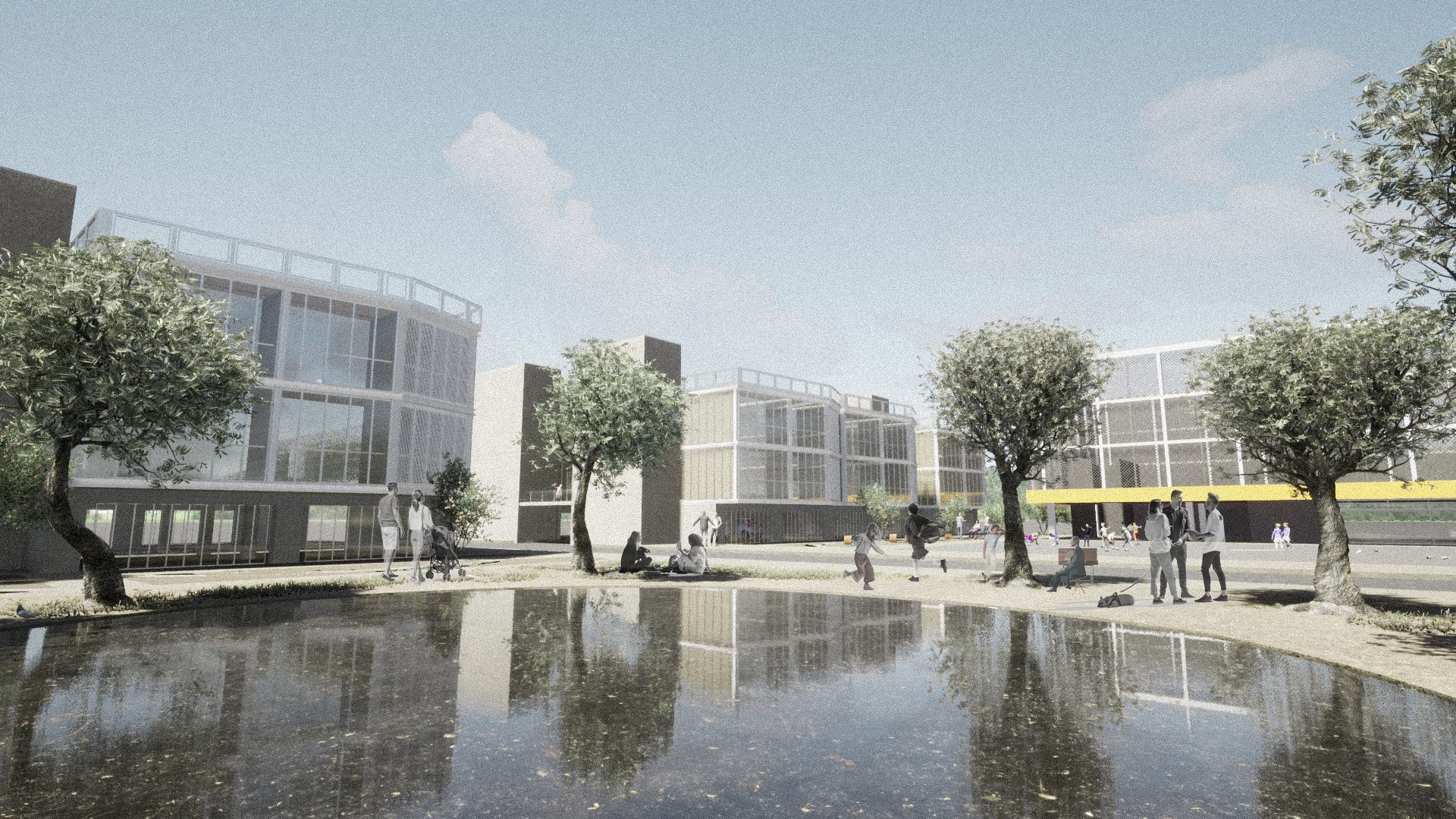
In order to achieve the needs of functional land use. We focus on reducing the excavation area of the base and maintain the water permeability of the base as much as possible to reduce interference in the base. We believe that the traffic flow in the base should be minimized, and the parking lot should be designed as a three-dimensional building base to reach a target of the ” Walking Community “. We provide a community public sky corridor and a landscaped green corridor with a landscape function that can control the ” Microclimate Factor “. Through the application of drip irrigation technology and the planting of drought-tolerant shrubs, arranged with the overhang of the building, the evapotranspiration rate caused by the sunshine and heat of the base is reduced. Let the base have more space, which can be used as a base permeable square, and can also get the use of environmental afforestation.
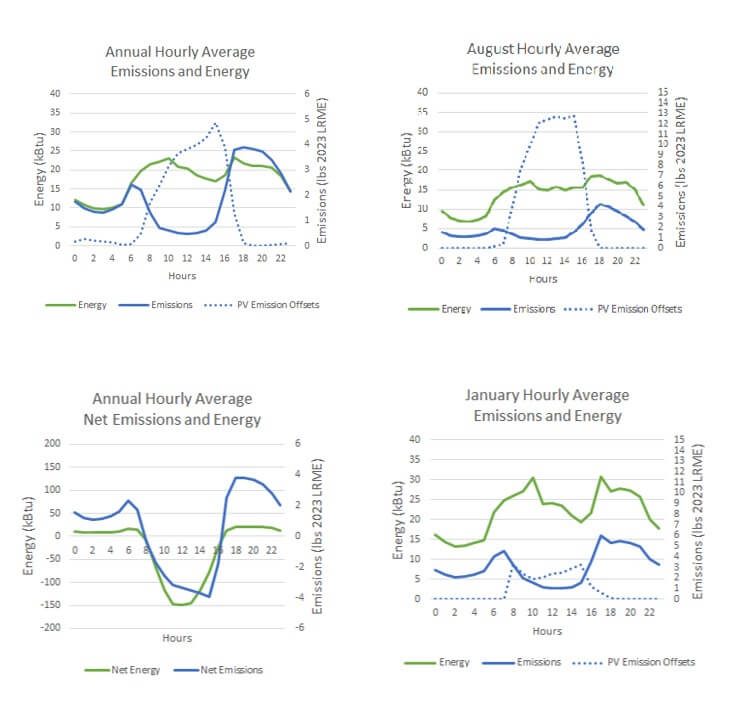
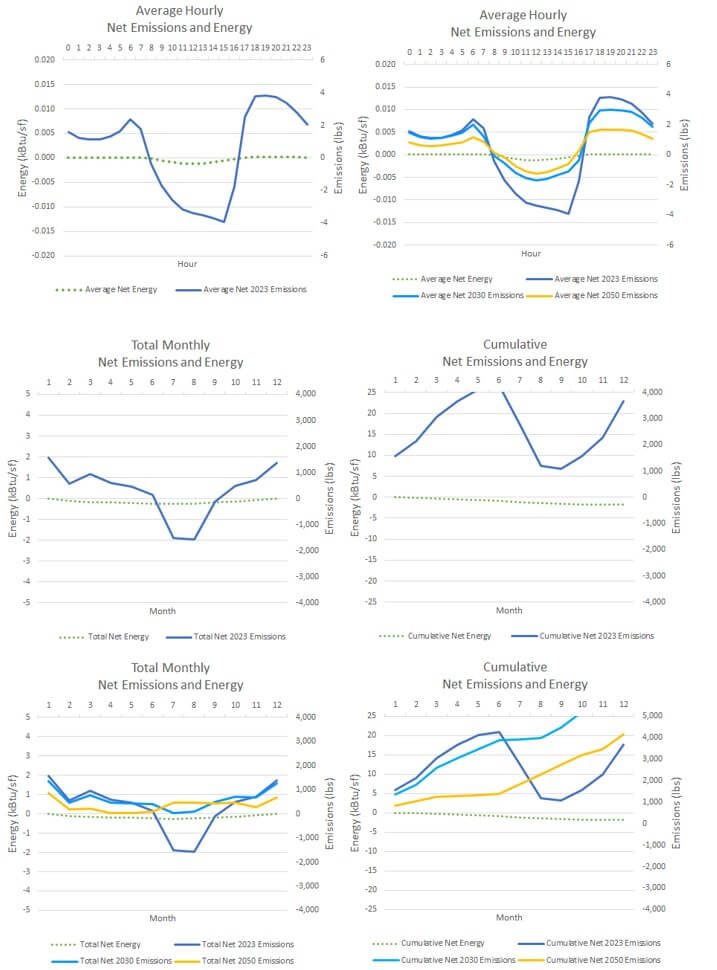
We reconsider the needs of space for users in contemporary communities. We can provide a whole new energy-saving, healthy and harmony environment through design in the post-epidemic era. And maintain the spirit of humanitarianism, it is not only about function, but let the design return back to the user. To creating a new “Green Community”.